PSDO Launches DRAAP for Drought-Hit Families in Togdheer and Awdal
5 November 2021 · Togdheer and Awdal, Somaliland
Pillar Social Development Organization (PSDO) has launched the Drought Resilience And Cash Assistance Project (DRAAP), an 18-month response running from 15 October 2021 to 14 April 2023. Supported through charitable funding from Canada, the project will reach five villages: Abdi Hussein, Harada and Bali-Ciidle in Togdheer, and Baki and Ruqi in Awdal, Somaliland.
The situation
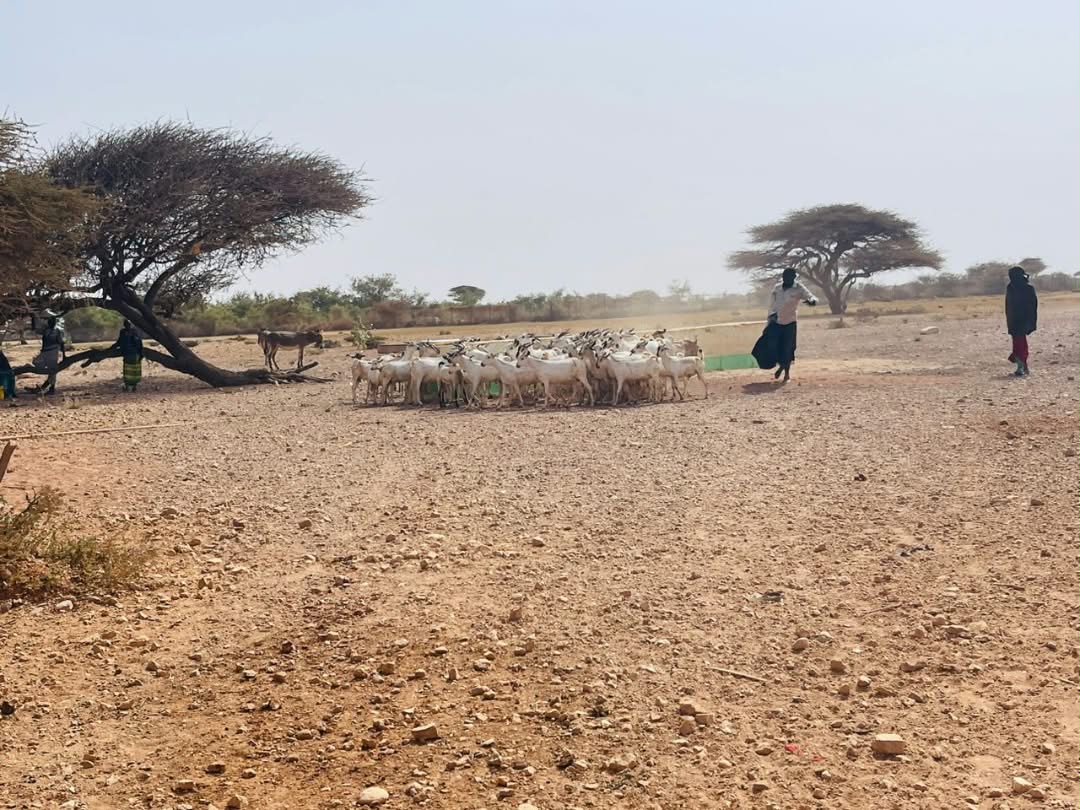
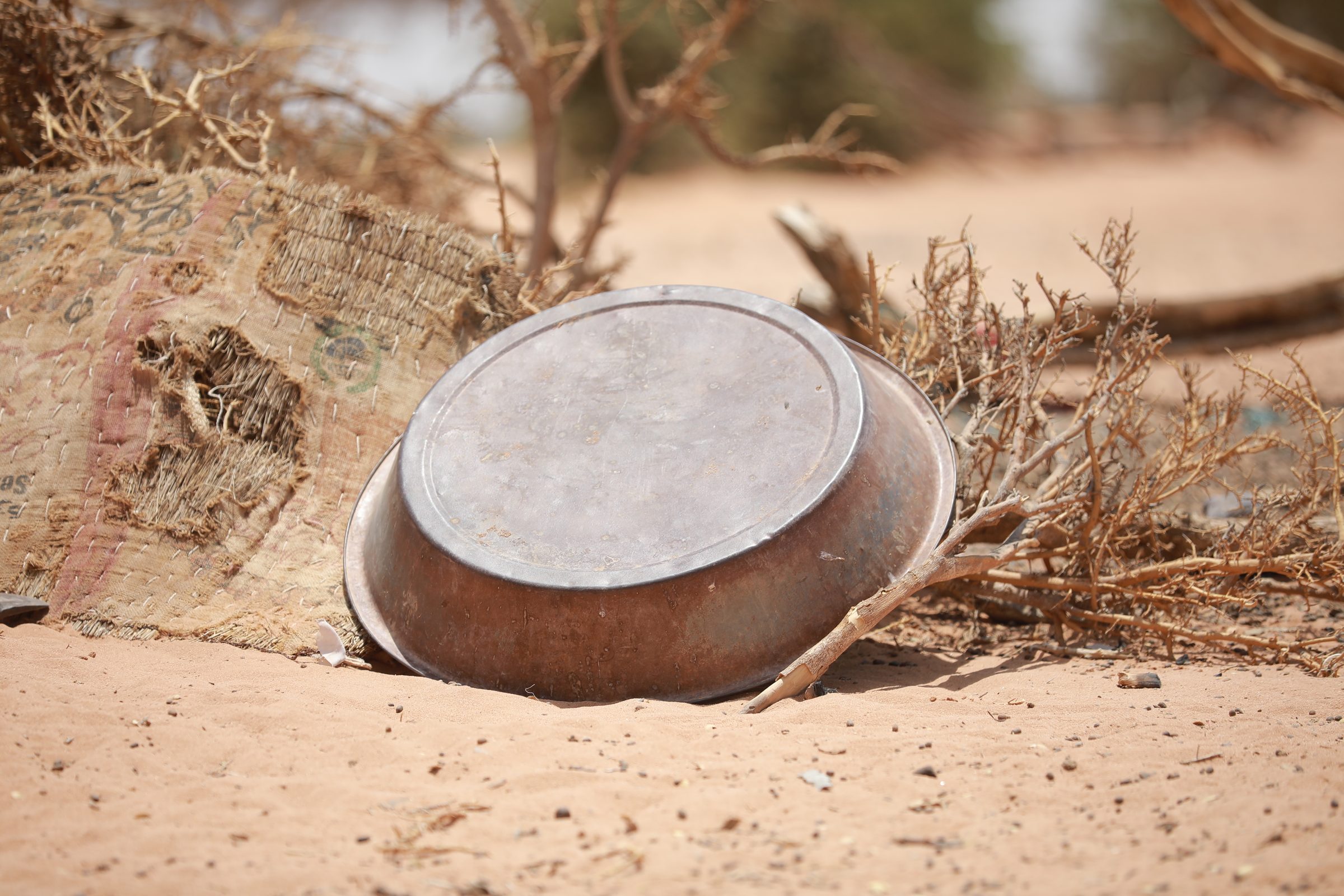
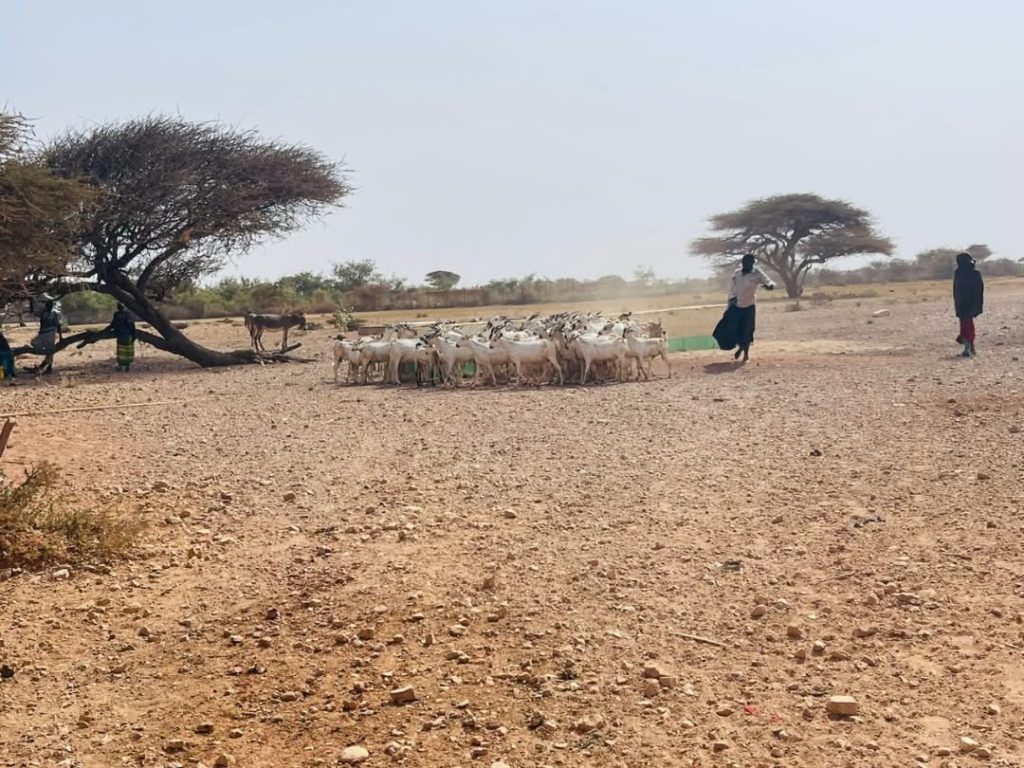
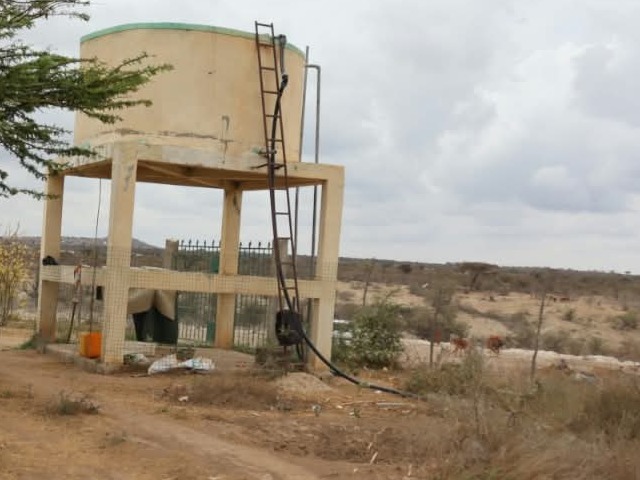
Togdheer and Awdal have now been through three consecutive failed rainy seasons. Pasture has collapsed, herds have died or been sold, and the communal berkads and dams that villages rely on are silted or cracked.
PSDO’s baseline assessment with 400 households, carried out between 19 and 29 October 2021, found that only 15% of households were eating an adequate number of meals and 80% were relying on negative coping strategies such as cutting meals or borrowing for food. Only 40% had enough water for basic domestic needs, and in 30% of households someone had suffered from diarrhoea in the previous two weeks. Eight households in ten said they felt unsafe travelling to collect water or firewood, a task that often falls to children.
What the project will do
DRAAP combines immediate relief with the repair of the water structures that villages depend on. It has five components:
- Mobilization and targeting in all five villages: needs assessment, registration and verification of households, and public validation of beneficiary lists.
- Unconditional cash transfers of $75 a month for six months to 1,000 households, paid by mobile money: 300 in Abdi Hussein, 300 in Harada, 200 in Baki and 200 in Ruqi.
- Cash-for-Work for 300 labourers, paid $6 a day for 60 working days to rehabilitate the berkads, dams and soil bunds in their own villages: 100 in Abdi Hussein, 80 in Harada, 60 in Baki and 60 in Ruqi.
- Emergency water trucking of chlorinated water to households in Abdi Hussein and Bali-Ciidle, where water sources cannot be restored in time.
- Training, awareness and accountability: a Village Development Committee trained in maintenance in each rehabilitation village, PSEA and hygiene sessions in all five villages, and a Feedback and Complaints Mechanism.
A fast start
In its first month, PSDO teams completed the baseline, needs assessment and targeting in every village and displayed the beneficiary lists publicly for validation. The first round of cash transfers has been paid. Cash-for-Work is under way in Harada and Ruqi, and the first water deliveries have reached families in Abdi Hussein and Bali-Ciidle.
In the coming weeks, a toll-free hotline and suggestion boxes will open at worksites and distribution points so that any household can raise a concern safely. Cash-for-Work will start in Abdi Hussein and Baki once site designs are finalized, and Village Development Committees will be formed and trained as the works progress.
PSDO was established in 2010 by members of the Somali diaspora in Canada together with local representatives and staff. DRAAP reflects that partnership: support raised abroad, delivered by a Somaliland team, and shaped by the communities it serves. PSDO will report on progress at the midterm review and at the close of the project.