Bali-Ciidle: From the Water Truck to Farming Behind the Bunds
22 April 2024 · Bali-Ciidle, Oodweyne District, Togdheer, Somaliland
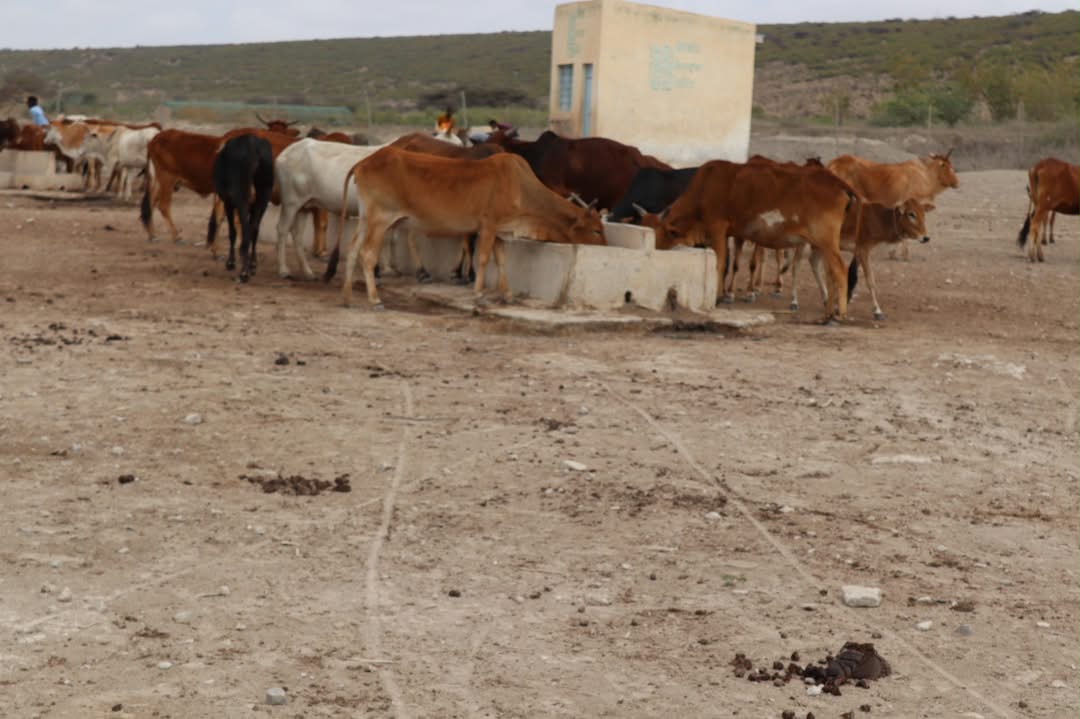
Two years ago, daily life in Bali-Ciidle turned on the arrival of a water truck. This April, farmers were planting behind nearly ten kilometres of new soil bunds, and a third of households now have more than one way to earn a living.
A village with no water source of its own
PSDO’s work with Bali-Ciidle goes back to the drought of 2021. Under the DRAAP project, 400 households here received chlorinated water by truck. It was the only support the village received, because Bali-Ciidle has no permanent water source of its own. The trucks kept families going, but everyone knew they would not last forever.
“For the first time in three years, water was not the first thing I thought about every morning. But this is not a village with its own berkad. When the trucks stop, we go back to walking.”
Sagaal S., mother of five, Bali-Ciidle, speaking in 2023
When DRAAP closed, its final report singled out Bali-Ciidle as the village most exposed to the next dry season, and PSDO chose to return. By August 2023, when the DRRACS baseline was carried out, 89% of households in Bali-Ciidle faced water shortages and 91% were relying on negative coping strategies.
Cash, land and tools
From November 2023 to April 2024, 200 of the most vulnerable households in Bali-Ciidle, eight in ten of them headed by women, received $80 a month by mobile money. Paid labourers from the village built 9.8 kilometres of soil bunds protecting about 226 hectares, the larger of the two DRRACS land sites. Sections damaged by the Deyr showers were repaired in February.
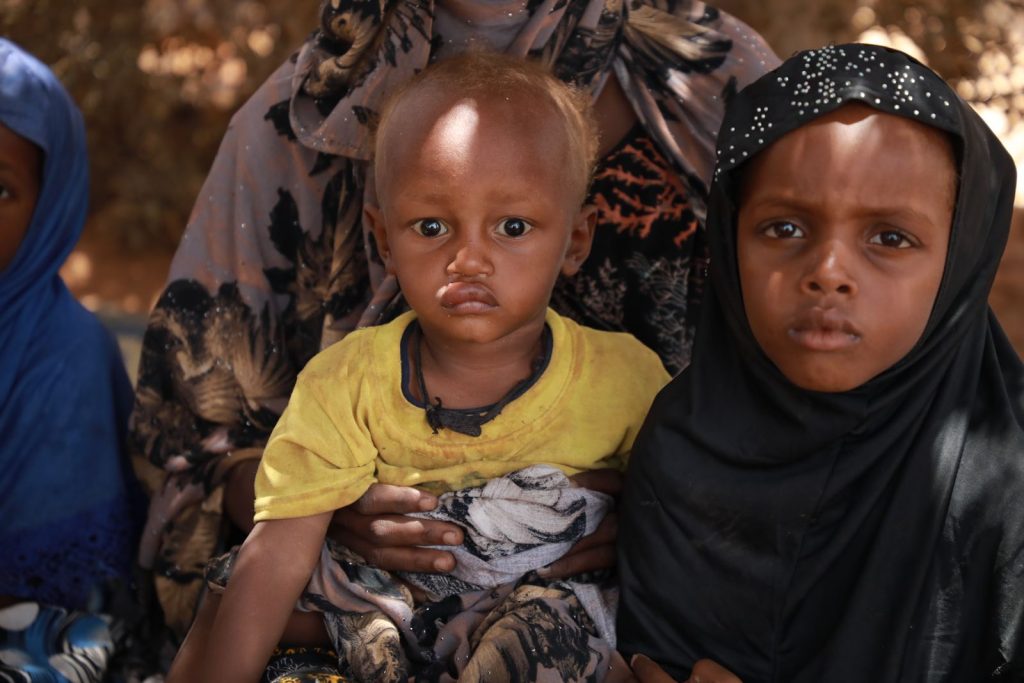
Farming households received tool kits and seedling packages in December 2023, and a Soil and Land Management Committee was trained in February 2024 to inspect the bunds after each rain.
What has changed
When the Gu’ rains arrived in April, farmers planted behind the bunds. Today 32.7% of households in Bali-Ciidle have two or more sources of income, the highest share of all eight DRRACS villages, from farming, vegetables grown from the seedlings and milk from recovering herds. Only 14.5% still name cash assistance as their main income. The share of households using negative coping strategies has fallen from 91% to 26%, and awareness of how to raise a complaint has risen from 7% to 80%.
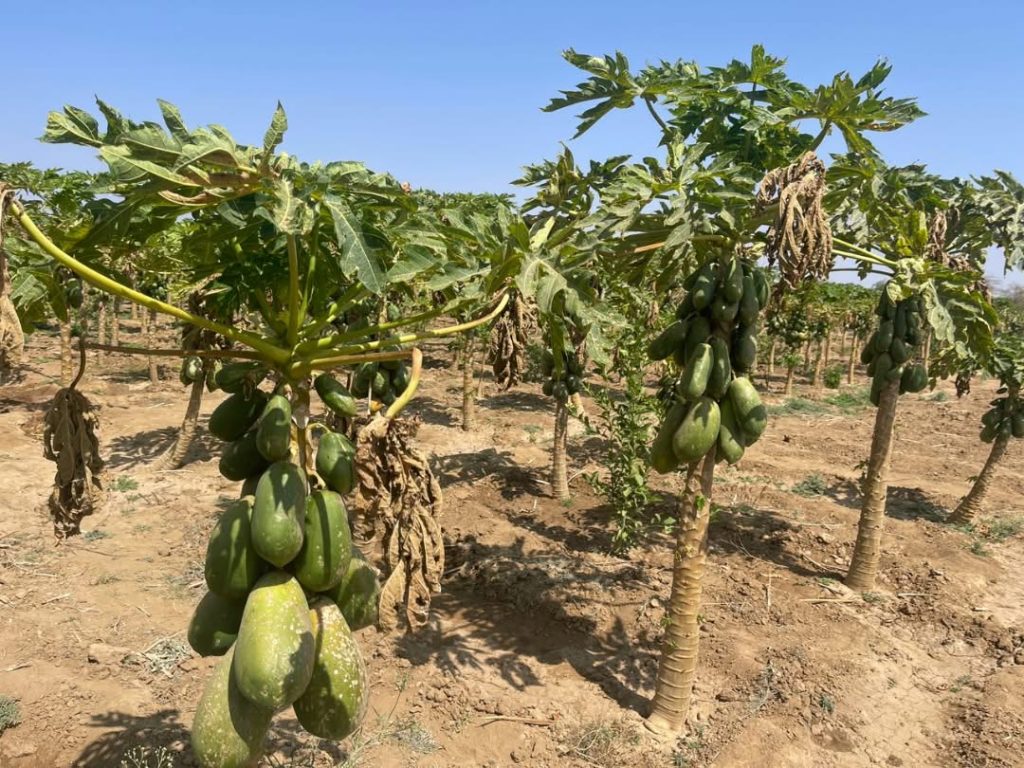
“People are not in the same position as last August. They have fewer debts, more animals and, where the berkad or the bunds were built, better water and land.”
Woman farmer, Bali-Ciidle
“Most families now eat two or three times a day. It is much better than August, when many ate once, and close to what we saw in January.”
Woman farmer, Bali-Ciidle
The road ahead
Bali-Ciidle’s progress is real, but it is not yet secure. The village’s overall impact score passed the project target of 60%, but only 52.7% of households can yet meet their needs fully without help, the lowest of the eight villages, because many families are waiting on the Gu’ harvest. Some 72.7% of farming households have seen less runoff since the bunds were built, fewer than in Bali-Dalab, because some sections were repaired late. And 36.4% of households still face water shortages.
The bunds have given Bali-Ciidle its first lasting asset. The next step is water storage. PSDO has recommended ponds or a berkad for the village in its next funding cycle, so that the long walks Sagaal described do not return.