Baki: “Pillar’s DRAAP Project restores hope for drought-affected families”
31 May 2023 · Baki, Awdal
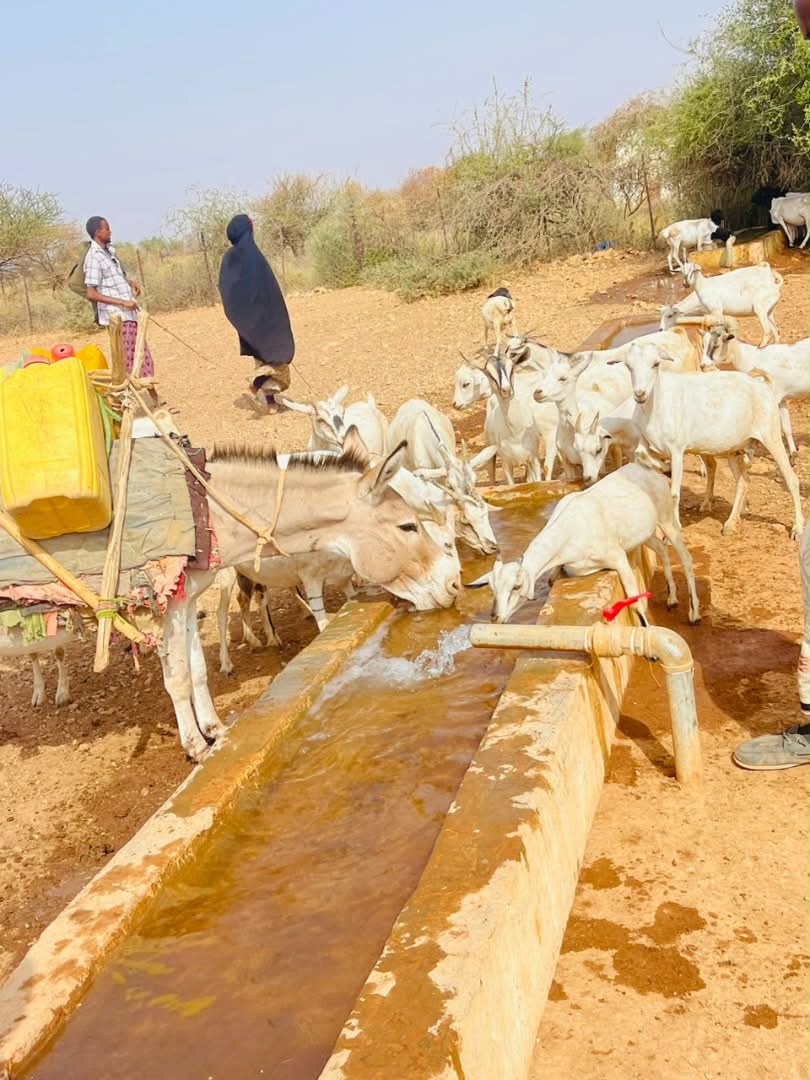
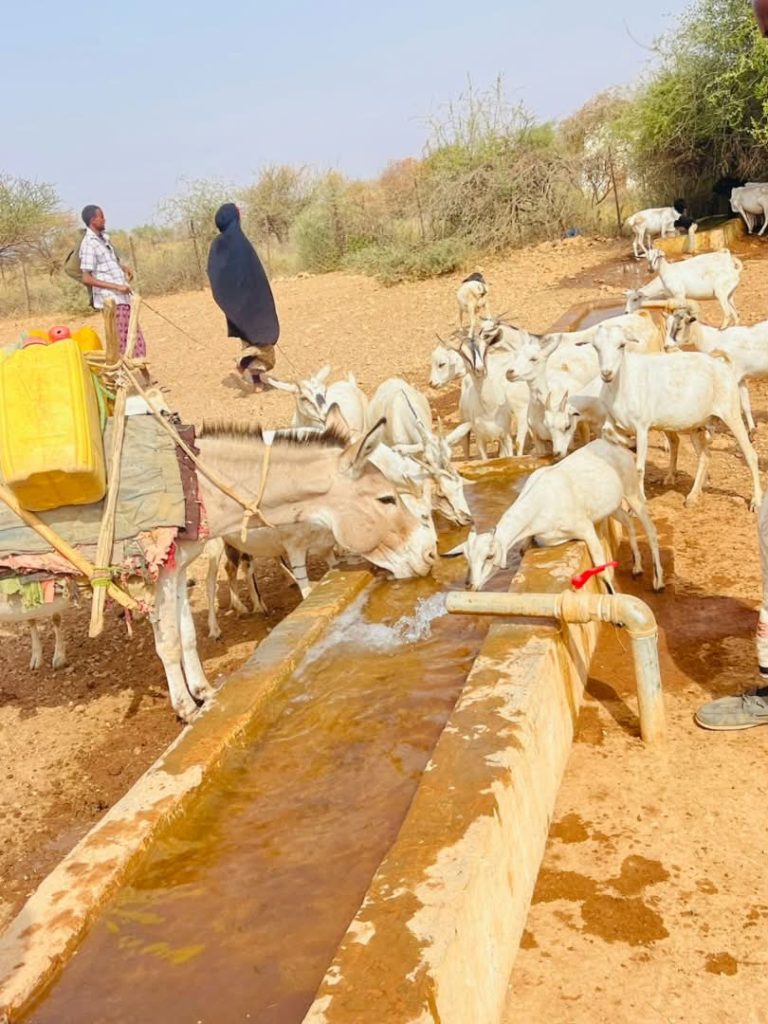
In Baki, Awdal Region, the rehabilitation work started later than anywhere else and took longer to close. By the end of DRAAP, the berkad was holding water again, and the people who rebuilt it were proud to say so.
The drought in Awdal
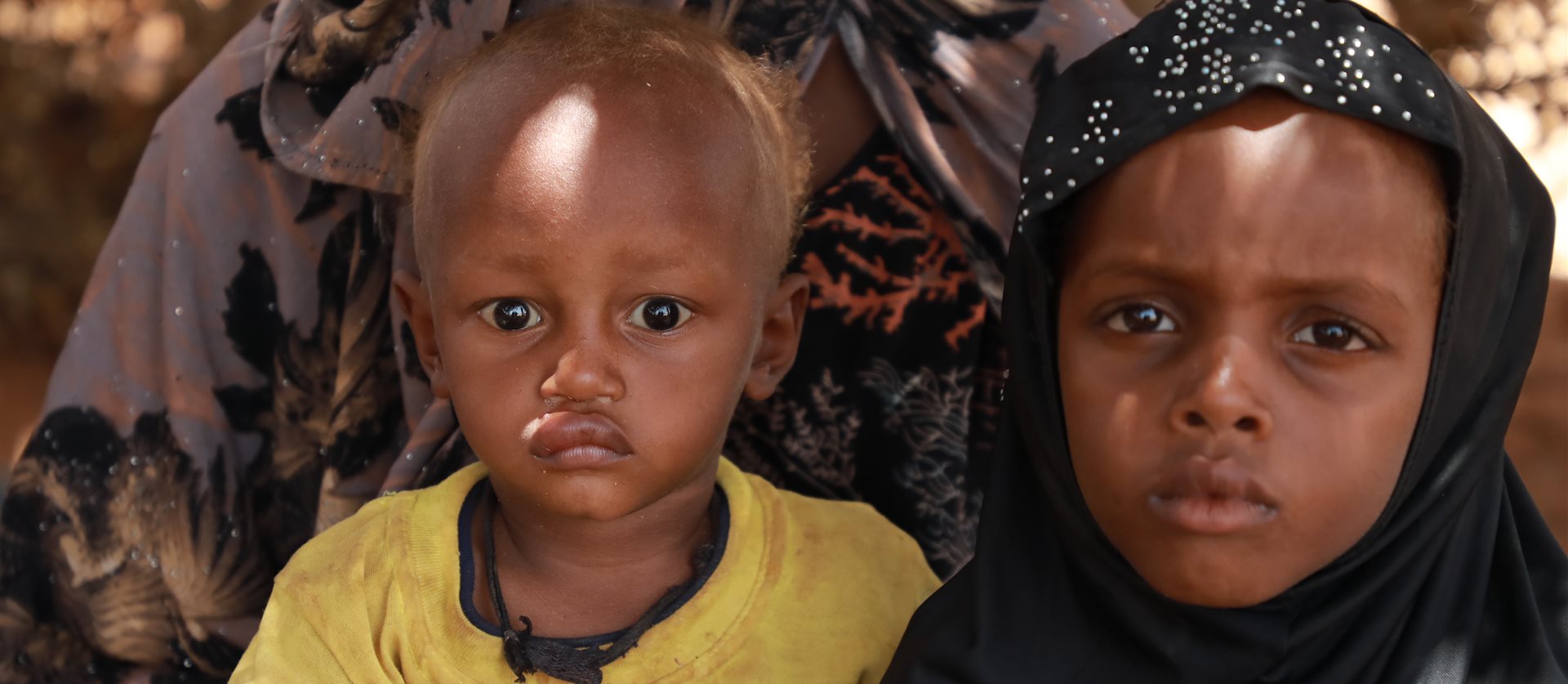
Like Togdheer, Awdal went through three failed rainy seasons before DRAAP began in October 2021. Pasture had disappeared, herds had died or been sold, and Baki’s communal water structures were silted and in poor repair. Across the project area, only 40% of households had enough water at the start and 80% were relying on negative coping strategies.
Cash first, then work
From the first month, 200 vulnerable households in Baki received $75 a month for six months by mobile money. Every household received all six payments. Across the project, the transfers were spent mainly on food, with the rest going on water and health.
Cash-for-Work came later. The site designs for Baki had to be finalized before labourers could start, so the works began in the third month of the project, in December 2021. Sixty labourers from the village were paid $6 a day for 60 working days to desilt and repair the berkad and rebuild the soil bunds that guide runoff into it.
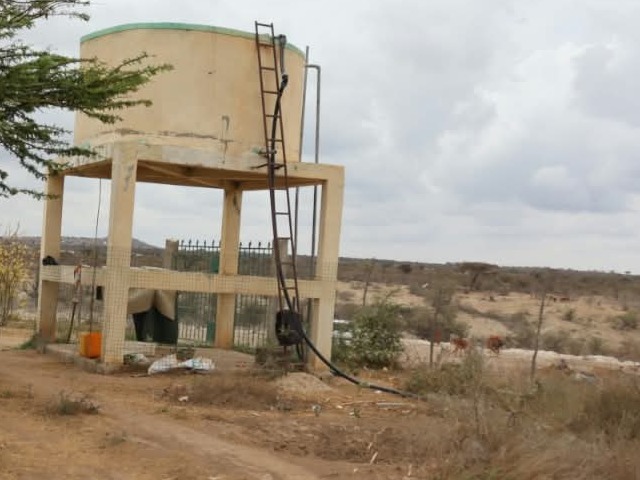
The late start had a cost. At the midterm review, payroll records for Baki were not yet available, and rehabilitation was still in progress in several villages. The PSDO team and the community stayed with it. The payroll was reconciled, the remaining works were completed, and every structure was verified on site and passed technical and financial sign-off.
“We finished what we started. The berkad holds water again, and I helped make that happen with my own hands.”
Bashiir C., 44, Cash-for-Work labourer, Baki
What the evaluation found
PSDO’s endline survey in May 2023 interviewed 127 people in Baki. 88% of households were eating an adequate number of meals, compared with just 15% across the project area at the start, and 93% knew how to raise a complaint. Hygiene and safe water-handling sessions were held in Baki as in every DRAAP village, and across the project the share of households with a recent case of diarrhoea fell from 30% to 2%.
Water remains the issue to watch. 80% of Baki households reported having enough water for domestic use, a large improvement on the 40% recorded at baseline but the lowest of the five villages.
A Village Development Committee has been trained to maintain the berkad, and PSDO has recommended a follow-on resilience phase so that Baki can keep and extend the water security its people worked for. DRAAP was supported through charitable funding from Canada.