
Bali-Dalab: Where the Rain Now Stays on the Fields
24 April 2024 · Bali-Dalab, Oodweyne District, Togdheer, Somaliland
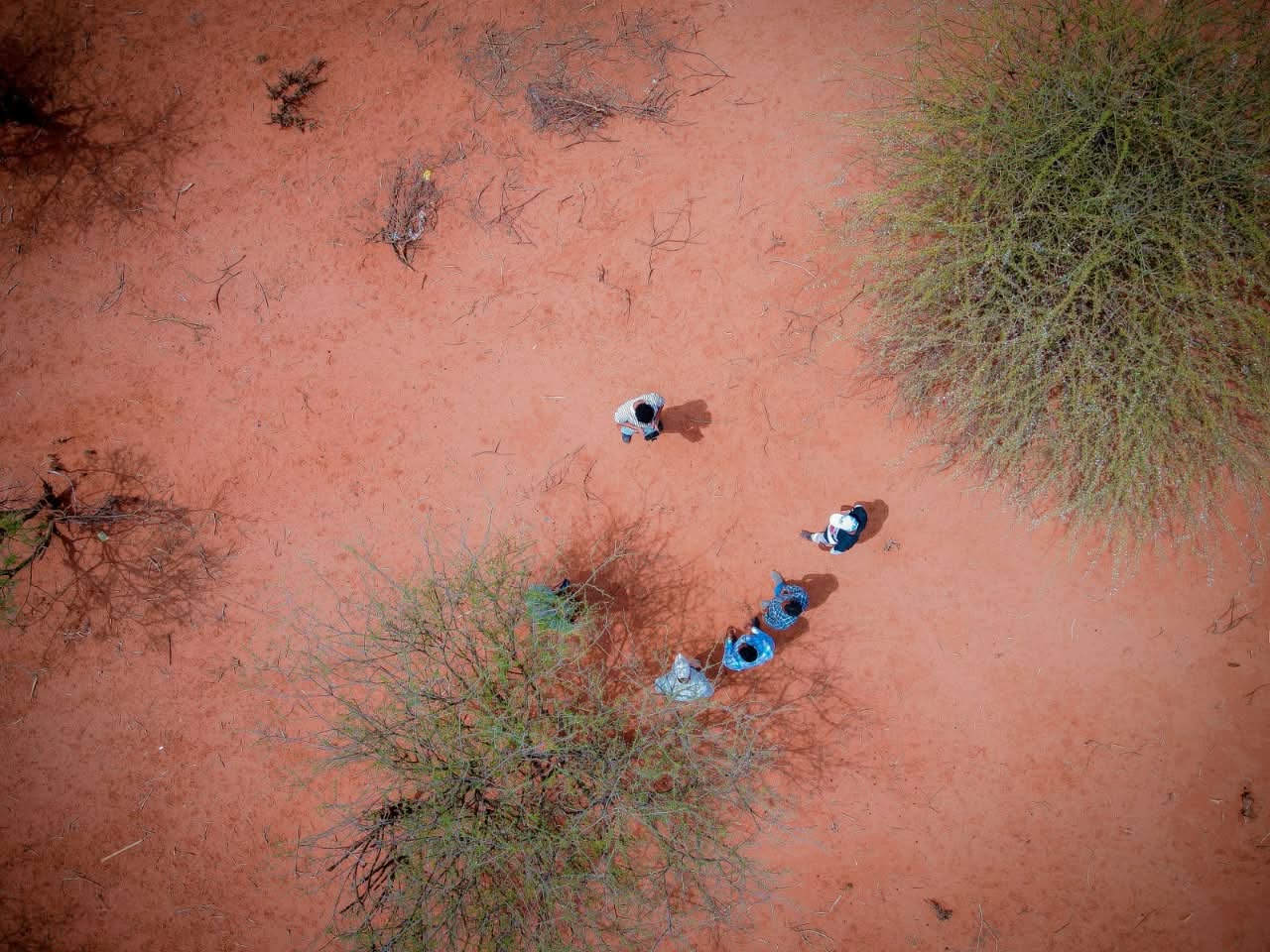
When the first Gu’ rains reached Bali-Dalab this April, the water did not rush across the fields and away down the gullies as it had in past years. It stayed where the farmers needed it, held back by the soil bunds the community built over the past months.
A village losing its soil
Bali-Dalab is an agropastoral village in Oodweyne District, where families keep livestock and grow sorghum and cowpea when the rains allow. Years of drought and heavy runoff had left much of its farmland bare and eroded. When PSDO’s baseline team visited in August 2023, 93% of households were relying on negative coping strategies such as borrowing for food or selling animals, 82% faced water shortages, and fewer than one household in ten knew how to raise a complaint about aid.
What DRRACS brought
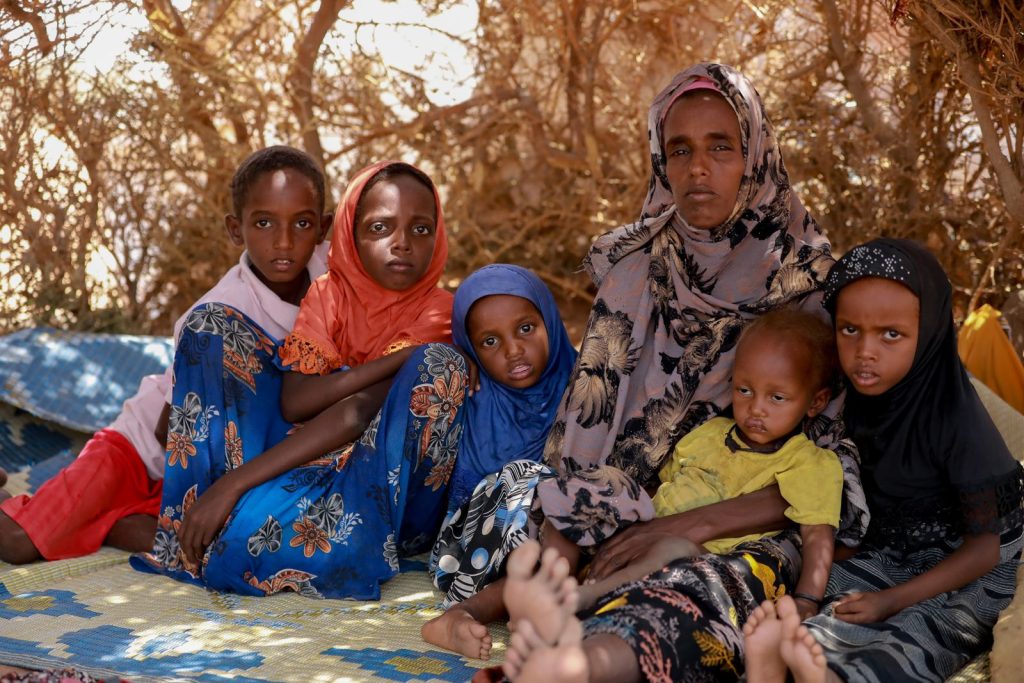
Under DRRACS, 200 of the most vulnerable households in Bali-Dalab received $80 a month by mobile money for six months, from November 2023 to April 2024. Around eight in ten of these households are headed by women. At the same time, paid labourers from the village built 8.4 kilometres of soil bunds, low earth embankments laid across the slope, which now protect about 188 hectares of farmland and grazing land.
Farming households received tool kits and seedling packages in December 2023. In February 2024, a Soil and Land Management Committee was trained to inspect the bunds after each rain and to organize repairs when a section gives way.
What has changed
At the end-of-project evaluation in April 2024, 83.6% of farming households in Bali-Dalab said they had seen less runoff and soil loss since the bunds were built, the higher of the two DRRACS farming villages. Farmers planted sorghum and cowpea behind the bunds with the Gu’ rains, and several have already extended the bunds onto their own plots with the tools they received.
“With the first Gu’ rains the water stayed on the fields behind the bunds. The soil stays wet longer and the sorghum is growing better than on the land without bunds.”
Member of the Soil and Land Management Committee, Bali-Dalab
The change is visible in households too. The share using negative coping strategies has fallen from 93% to 27%, and 30.9% of households now have two or more sources of income, as farming and milk sales are added to livestock. Awareness of how to raise a complaint has risen to 85.5%, and 81.8% of respondents know PSDO’s Code of Conduct and the rule that aid is always free, among the highest levels in the eight villages.
What remains to be done
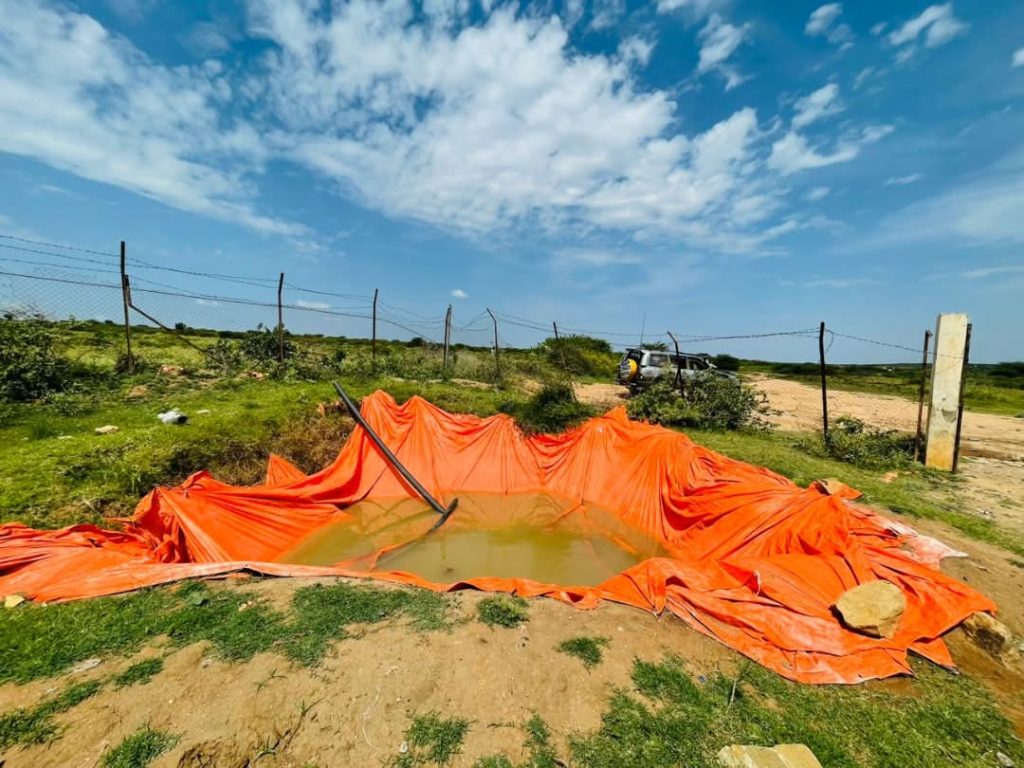
Bali-Dalab still has the highest water shortage of the eight villages: 38.2% of households, down from 82% a year ago but still too many. Its overall impact score of 58.2% is just short of the project target of 60%. Residents and the evaluation team agree that water storage is the village’s main remaining need, and PSDO has recommended ponds or berkads for Bali-Dalab in its next funding cycle.
The real test of the bunds will come at harvest. PSDO’s agronomist and the committee will measure their effect on yields after the Gu’ harvest in July and August 2024 and share the results with neighbouring villages.