Harada: A Wage Earned, a Berkad Restored
24 May 2023 · Harada, Togdheer
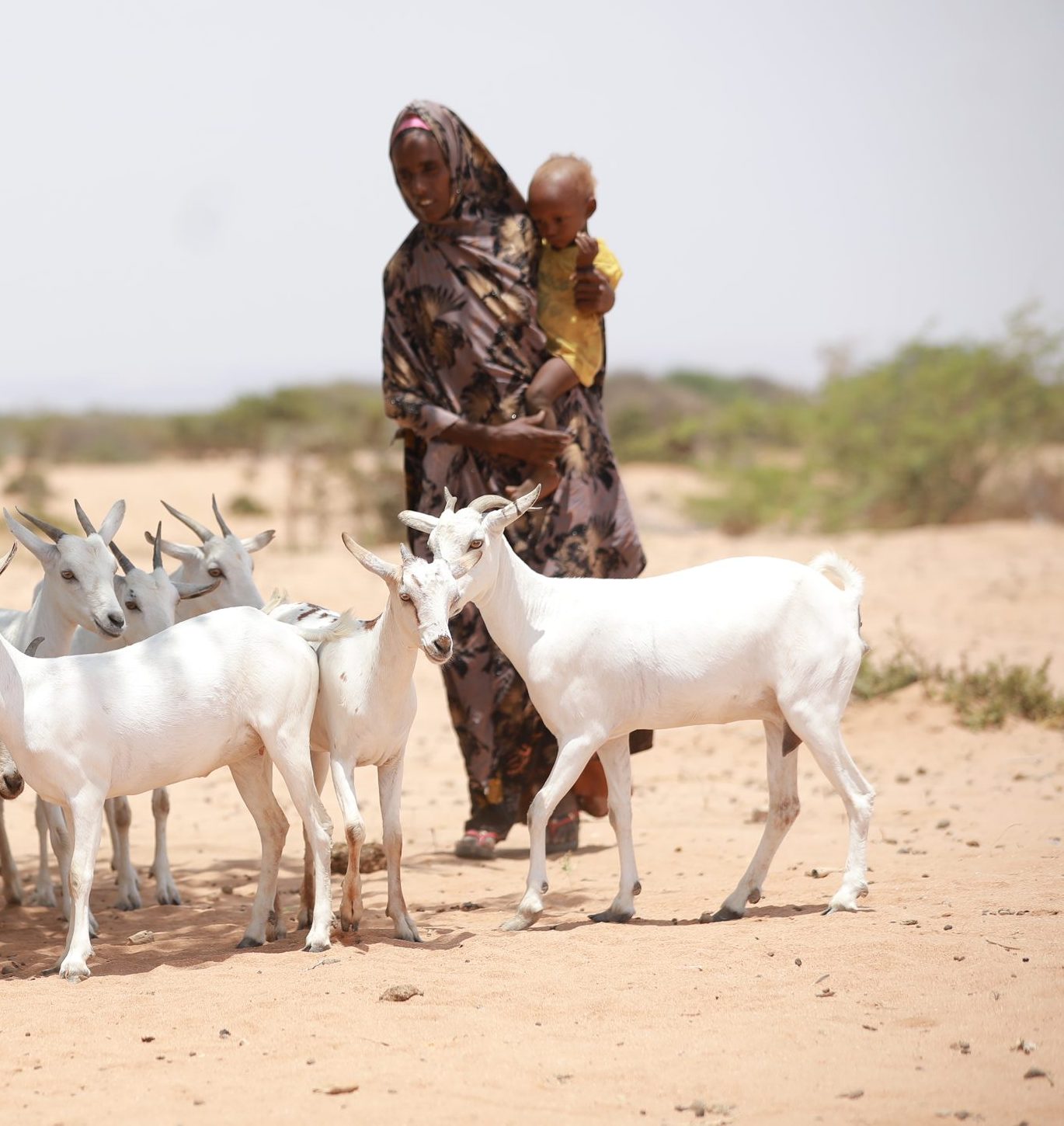
Sharmaake M. is 60 years old and a father of six. Three failed rainy seasons wiped out his small herd and left him dependent on relatives and the odd day of labour. Today he sits on the committee that looks after the berkad he helped to rebuild in Harada, Togdheer Region, Somaliland.
A village at the edge
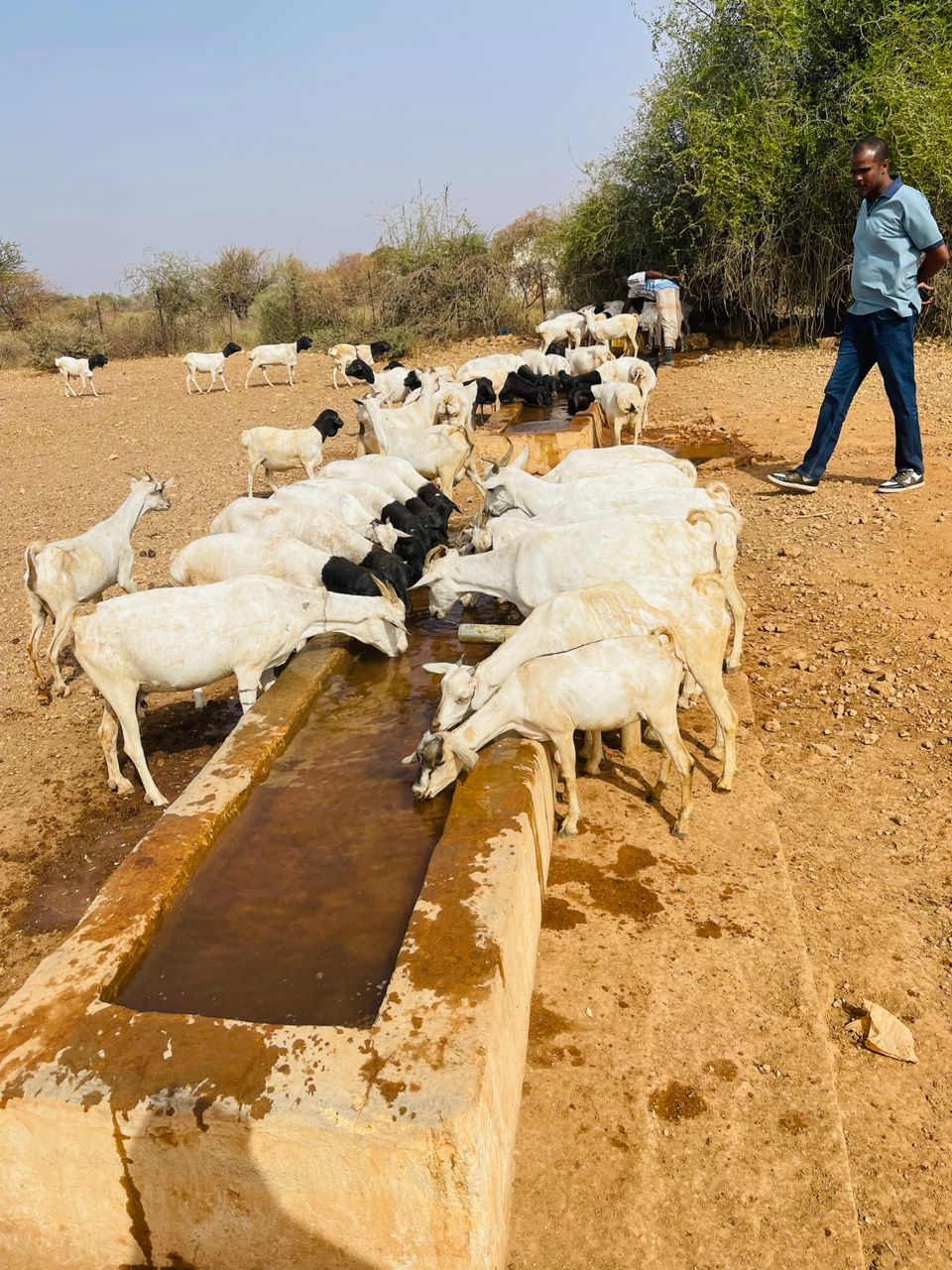
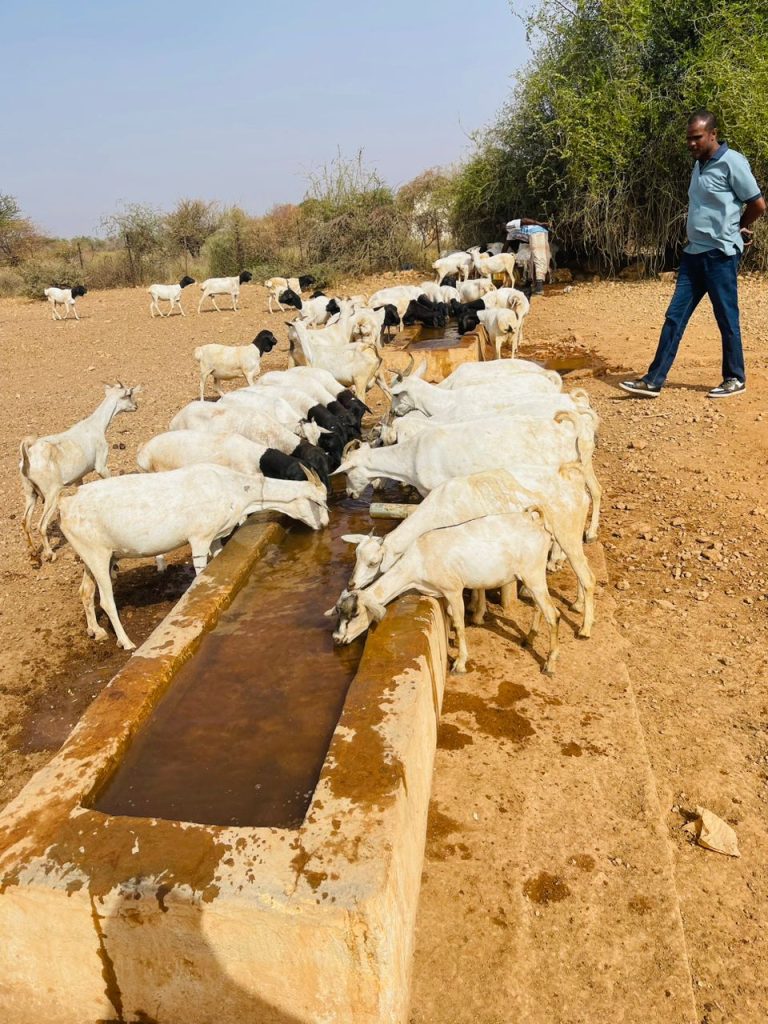
When DRAAP began in October 2021, Harada was among the Togdheer villages hit hardest by the drought. Its communal berkad and the soil bunds that guide runoff into it needed rehabilitation, and many families had little left to sell.
Harada was among the first places where the project started work. It received two kinds of support: monthly cash for the most vulnerable households, and paid work to restore the village’s water supply.
Earning a wage, building an asset
From the first month, 300 households in Harada received $75 a month for six months by mobile money. At the same time, 80 people from the village, Sharmaake among them, were selected for Cash-for-Work.
Over four months, from October 2021 to January 2022, their teams cleared, reshaped and reinforced the berkad’s catchment and rebuilt the soil bunds that feed it, at $6 a day for 60 working days. Every round of wages was paid in full.
For Sharmaake, the difference was not only the money but how it was earned. He was paid on time every round, restocked a few goats and kept his younger children in the community school.
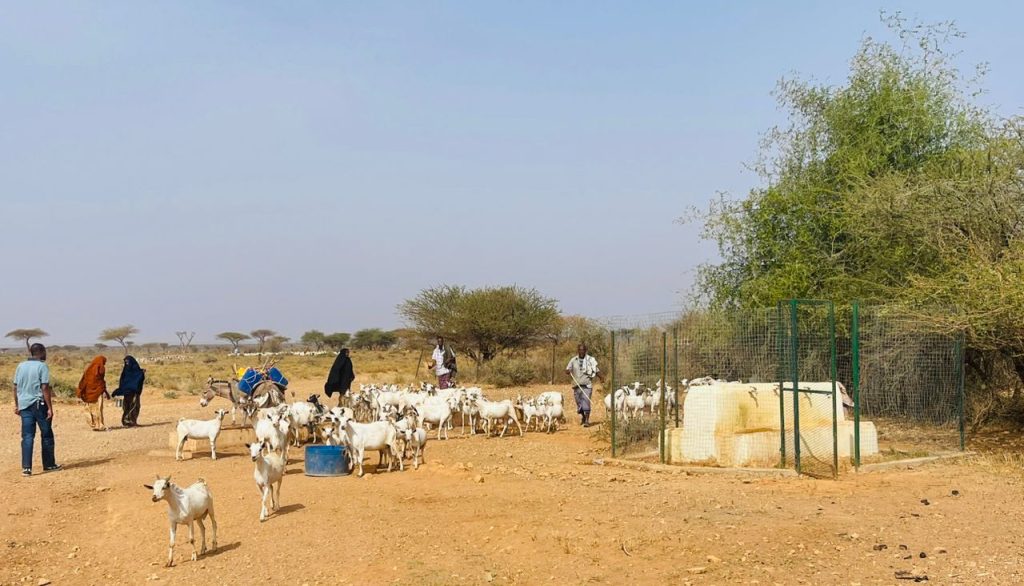
“This time, I earned my wage with my own hands, and I can see the water sitting in that berkad because of the work we did. My children will drink from it after I am gone.”
Sharmaake M., Cash-for-Work labourer, Harada
Others in Harada described the same change. As one labourer put it, “Before, when NGOs came, it was always a handout.”
What the evaluation found
PSDO’s endline survey in May 2023 interviewed 182 people in Harada. 94% of households were eating an adequate number of meals, 86% had enough water for domestic use and 94% knew how to raise a complaint.
Across the four rehabilitation villages, 92% of households reported a significant improvement in water availability since the works, and 88% were confident that their Village Development Committee can maintain the structure now that the project has ended.
Looking after what was built
Sharmaake now sits on Harada’s Village Development Committee, which was trained in routine maintenance and upkeep schedules. The committee’s real test is still ahead: it has not yet carried the berkad through a full dry season on its own.
PSDO has recommended a follow-on resilience phase to support the committees through that first season and to build on what villages like Harada have achieved. DRAAP was supported through charitable funding from Canada.